As told to Chen Wei Ming by Yang Cheng Fu (杨澄甫,1883–1936), and published in 1925.
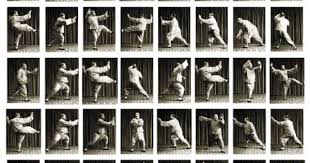
1. Lead the crown upward...
“the appearance of the head is upright, and the spirit reaches the crown. You should not use force. Using force the crown is stiff, and the qi and the blood cannot circulate smoothly or fluidly. With the relaxed energy lifting the crown upward, the spirit of vitality (jing) cannot be used.”
2. Contain the chest, arc the back
“Contain the chest means the chest has a slight inward compression, do not thrust the chest outward, otherwise the qi cannot sink to the dan tien. If the chest is thrust out, the qi will gather and become stagnant in the chest area. The top will then be heavy, the bottom light, and the heels will easily float. Arcing the back means the qi is adhering to the governing vessel. If you can contain the chest, then the back can arc automatically, and the power can be emitted from the spine.”
3. Loosen the waist
“The waist guides the entire body. If you are able to loosen the waist then the feet have power and the root is steady and firm. The variations of substantial and insubstantial (full and empty) all originate from the waist’s turning movement. Therefore it is said the origin of life and yi (intent/inspiration) is in the waist. If you are in a position of disadvantage, you must find the solution from the waist and legs.”
4. Discriminate between Insubstantial and Substantial (full and empty)
“The discrimination of insubstantial and substantial is the first, and most important facet of taijiquan. If the weight of the body is resting on the right leg, then the right leg is substantial, and the left leg is insubstantial. If the weight of the body is resting on the left leg, then the left leg is substantial, and the right leg is insubstantial. When the insubstantial and substantial can be discriminated, then the turning and the movement can be light and agile without wasting too much power. If they cannot be discriminated, then the stepping is heavy and stagnant, the self stance is not steady and can be pulled, and moved easily by the opponent.”
5. Sink the shoulders, and drop the elbows
“Sink the shoulders means the shoulders are loose and hanging downward. If you are not able to loosen and hang down, the tip of the two shoulders will be raised. Then the qi will follow and also raise. In this case the entire body cannot gain power. Drop the elbows means the elbows are loose and dropping downward. If the elbows are suspended and upward, then the shoulders will not be able to sink. Consequently, the emitting power to attack will be emitted from the arms only instead of the entire body.”
6. Use the Yi and not the Li
“the appearance of the head is upright, and the spirit reaches the crown. You should not use force. Using force the crown is stiff, and the qi and the blood cannot circulate smoothly or fluidly. With the relaxed energy lifting the crown upward, the spirit of vitality (jing) cannot be used.”
2. Contain the chest, arc the back
“Contain the chest means the chest has a slight inward compression, do not thrust the chest outward, otherwise the qi cannot sink to the dan tien. If the chest is thrust out, the qi will gather and become stagnant in the chest area. The top will then be heavy, the bottom light, and the heels will easily float. Arcing the back means the qi is adhering to the governing vessel. If you can contain the chest, then the back can arc automatically, and the power can be emitted from the spine.”
3. Loosen the waist
“The waist guides the entire body. If you are able to loosen the waist then the feet have power and the root is steady and firm. The variations of substantial and insubstantial (full and empty) all originate from the waist’s turning movement. Therefore it is said the origin of life and yi (intent/inspiration) is in the waist. If you are in a position of disadvantage, you must find the solution from the waist and legs.”
4. Discriminate between Insubstantial and Substantial (full and empty)
“The discrimination of insubstantial and substantial is the first, and most important facet of taijiquan. If the weight of the body is resting on the right leg, then the right leg is substantial, and the left leg is insubstantial. If the weight of the body is resting on the left leg, then the left leg is substantial, and the right leg is insubstantial. When the insubstantial and substantial can be discriminated, then the turning and the movement can be light and agile without wasting too much power. If they cannot be discriminated, then the stepping is heavy and stagnant, the self stance is not steady and can be pulled, and moved easily by the opponent.”
5. Sink the shoulders, and drop the elbows
“Sink the shoulders means the shoulders are loose and hanging downward. If you are not able to loosen and hang down, the tip of the two shoulders will be raised. Then the qi will follow and also raise. In this case the entire body cannot gain power. Drop the elbows means the elbows are loose and dropping downward. If the elbows are suspended and upward, then the shoulders will not be able to sink. Consequently, the emitting power to attack will be emitted from the arms only instead of the entire body.”
6. Use the Yi and not the Li
“ When training in taijiquan, the entire body is loosening and opening, cannot
even have a centimeter of clumsy jin which may cause delay and stagnation of the qi and
blood within the tendons, bones, and blood. Then one can be light, agile, varied, and
round as wished. You may doubt how can you have power without muscular force? It is
because the Jing and Luo (meridians) in the body are like streams and ditches. When the
streams and ditches are not blocked, the water will flow smoothly, and the qi will be
easily transported. If you use yi, when the yi arrives qi will immediately follow.
Transport them day after day until circulating the entire body without any stopping or
stagnation. Practice for a long time and you will gain real jin. The Tai Ji Classics said
“Extremely soft and then extremely strong and hard”. Those who practiced taijiquan to a
proficient stage, the forearms are like iron in cotton”. This phrase "iron with cotton" (棉里铁, Mián lǐ tiě) or a "needle within cotton" (Mián lǐ zhēn) is often heard among internal arts practitioners.
7. The top and bottom mutually follow each other
“The top and bottom mutually following each other. The root is in the feet, originating from the legs, mastered at the waist, and manifested in the fingers. From the feet to the legs and to the waist, all must be integrated with a singular qi. The hands move, the waist moves, the feet move, and spirit in the eyes also move. As such, then it can be said the top and bottom mutually follow each other. If there is a place without moving then it is disordered.”
8. Internal and external harmonize with each other
Taijiquan trains the shen, the spirit. “The spirit is the commanding general and the body is the emissary. If the spirit of vitality can be raised, movement will automatically be light and agile. The postures are nothing but insubstantial, substantial, opening, and closing. When the physical body is open, then the xin (emotional mind), and yi (wisdom mind) can also be open at the same time. If the internal and external can be unified as one qi, then the taijiquan will be complete without any gap.”
9. Continuous and unbroken
“In the external martial arts, the jin (energy or force) manifested are post heaven, and clumsy. There is a beginning and an end. When there is continuity and breakage, the old li (muscular force) has already ended, and the new li has not yet been generated. This is the moment that can be attacked easiest. Taijiquan uses the yi without using li. From the beginning until the end, continuous without breaking, when complete, repeating from the beginning, cycling without limitation. “Transporting the jin as drawing silk”, all of this means the movements are threaded through with one qi guided by yi.
10. Seeking calmness in the movements
“The techniques of the external styles grant expertise in jumping and walking, use the qi and li until it is exhausted. Taijiquan uses the calmness to control the movements, though moving remain calm. Therefore, when practicing postures, the slower the better. When slow, the breathing is deep and long, and the qi is sunk to the dan tien. Consequently, there are no harmful problems.”
------------------------------------------------------------------------------------------------------
References
Yang Banhou, son of Yang Luchan - Wu Mengxia (Wu Meng-hsia) T'ai-chi Ch'üan chiu chüeh chu-chieh (Nine secret transmissions on T'ai-chi Ch'üan with annotations) Hong Kong, 1975, translated in
7. The top and bottom mutually follow each other
“The top and bottom mutually following each other. The root is in the feet, originating from the legs, mastered at the waist, and manifested in the fingers. From the feet to the legs and to the waist, all must be integrated with a singular qi. The hands move, the waist moves, the feet move, and spirit in the eyes also move. As such, then it can be said the top and bottom mutually follow each other. If there is a place without moving then it is disordered.”
8. Internal and external harmonize with each other
Taijiquan trains the shen, the spirit. “The spirit is the commanding general and the body is the emissary. If the spirit of vitality can be raised, movement will automatically be light and agile. The postures are nothing but insubstantial, substantial, opening, and closing. When the physical body is open, then the xin (emotional mind), and yi (wisdom mind) can also be open at the same time. If the internal and external can be unified as one qi, then the taijiquan will be complete without any gap.”
9. Continuous and unbroken
“In the external martial arts, the jin (energy or force) manifested are post heaven, and clumsy. There is a beginning and an end. When there is continuity and breakage, the old li (muscular force) has already ended, and the new li has not yet been generated. This is the moment that can be attacked easiest. Taijiquan uses the yi without using li. From the beginning until the end, continuous without breaking, when complete, repeating from the beginning, cycling without limitation. “Transporting the jin as drawing silk”, all of this means the movements are threaded through with one qi guided by yi.
10. Seeking calmness in the movements
“The techniques of the external styles grant expertise in jumping and walking, use the qi and li until it is exhausted. Taijiquan uses the calmness to control the movements, though moving remain calm. Therefore, when practicing postures, the slower the better. When slow, the breathing is deep and long, and the qi is sunk to the dan tien. Consequently, there are no harmful problems.”
------------------------------------------------------------------------------------------------------
References
Yang Banhou, son of Yang Luchan - Wu Mengxia (Wu Meng-hsia) T'ai-chi Ch'üan chiu chüeh chu-chieh (Nine secret transmissions on T'ai-chi Ch'üan with annotations) Hong Kong, 1975, translated in


